Understanding the Differences Between Pipe Relining and Pipe Replacement
When it comes to fixing damaged pipes, the two most common methods are pipe relining and replacement of pipes. Both solutions aim to restore the functionality of your pipelines, but they have marked differences that you should be aware of.
Key Takeaways
- Relining pipes is an affordable and speedy method to repair damaged pipelines.
- The lining of CIPP is utilized in the relining of pipes.
- Epoxy resin is used to line the inner areas of the pipe. This sets to create a brand new inner lining within the pipe.
- Pipe relining is time-efficient, cost-effective and lasts for up to 50 years.
- The traditional method of replacing pipes is digging up portions of property where pipes are.
- Replacement of pipes may be required to repair pipes that are severely damaged.
- A new pipeline installed through pipe replacement has a lengthy life span (75 to 100 years).
- The cost of replacing pipes is high and long-lasting.
- The choice between pipe relining and pipe replacement is based on the extent of damage.
In this article, we’ll discuss pipe relining and. pipe replacement, and find out which one will suit your needs more.
Is Pipe Relining a thing?
Pipe relining or Cured-In-Place Pipe (CIPP) Lining is a state of the art repair procedure which offers a low-cost and fast solution for repairing damaged pipelines.
Here’s how it is done:
- Technicians clean the pipeline by using high-pressure water jetting or mechanical cleaning.
- Then, they apply epoxy resin made from fiberglass or polyester liner to the existing pipeline.
- The liner gets dried, creating a new inner lining within the old pipeline that’s just as durable as a new one.
Advantages Pipe Relining
- Time-efficient: It generally takes about 2 to 3 hours to complete the whole procedure compared to excavating many days using traditional pipe replacement techniques.
- Cost-effective since there is no excavation or removal necessary for pipe relining, it can save almost 50% of the cost you’d spend on traditional repairs.
- Durability – The new lining formed by pipe relining can last up to 50 years!
Con’s of Pipe Relining
- Not suitable for very damaged pipes - If there are major damages such as cracks, collapses, or joints that aren’t aligned properly in your sewer line then pipe relining could not be possible.
What exactly is Pipe Replacement?
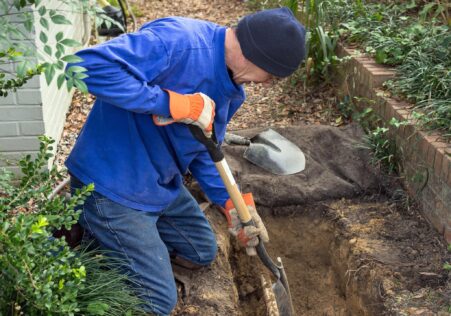
Pipe replacement involves digging up portions of the yard/sidewalk/driveway where underground pipes are located. These sections may include the collapsed pipes as well as extremely damaged ones caused by lack of maintenance or age.
The following steps make up the majority of traditional replacements for pipes:
- A team of excavation workers digs access to the decayed underground pipe.
- The pipeline that was previously in use is detachment and dug out, creating a lot of debris that needs to be disposed of.
- Then, they install an entirely new pipeline instead of the old one.
Pros of Pipe Replacement
- Ideal for pipes that have been severely damaged Ideal for severely damaged pipes – If you must replace pipes that are suffering from significant corrosion or damage, pipe replacement is the best solution.
- Long life – The brand new pipeline installed through pipe replacement has a long lifespan (75 or 100 years) which makes it a great alternative for homeowners seeking a permanent solution.
Pros and Cons of Pipe Replacement
- It is expensive – Excavating work required to replace pipes can be costly and time-consuming.
- Time-consuming – Traditional pipe replacements can take weeks depending on the scope of work and the extent of excavation required.
Which option should you pick?
The choice between the option of relining or replacing your pipes mostly depends on the extent of damage caused. If your pipes suffer minor issues like cracks, or minor leaks, then relining would probably be the better option since it’s less costly as well as quicker than traditional replacements.
However, if there are serious injuries, like breaks or collapses it is recommended to consider an alternative to replacing your pipe, although it will cost more and takes longer.
| Pipe Relining | Pipe Replacement | |
|---|---|---|
| Procedure | CIPP lining using epoxy resin | Excavating and replacing the old pipeline |
| Pros | Time-efficient- 2 to 3 hours to complete | Suitable for severely damaged pipes |
| Cost-effective – Almost half of traditional costs. | New pipeline lasts for 75 to 100 years | |
| Durable – Lasts up to 50 years | ||
| Cons | Not suitable for severely damaged pipes | Costly |
| Time-consuming | ||
| When to choose | Minor damages like cracks or minor leaks | Severe damages like collapses or breaks |
Common Questions and Answers
What is the process of relining pipes?
Relining pipes is a process that creates a brand new pipe in the damaged pipe. It is accomplished by inserting a flexible liner inside the pipe that was damaged and placing it into place. After curing, the new pipe has no joints or seams, which increases the structural integrity of the pipe.
How does traditional pipe replacement differ from relining pipe?
Traditional pipe replacement involves physically taking away old pipes then replacing them with new ones. In contrast, pipe relining doesn’t require excavation. Instead it’s done by utilizing technology that allows repairs to pipelines without digging huge areas of land.
Which option is less expensive: pipe relining or traditional replacement?
Pipe relining typically costs less than traditional methods of pipe repair because there are no costs associated to excavation or other methods necessary for removing and replacing old pipes.
All kinds of pipes can be reflined?
Certain types of pipes can be relined successfully. The plumber will need to examine your situation to determine if it’s feasible to line your particular type of pipes. However, most contemporary pipes are relined with this procedure.
How long does the process of pipe relining take?
The exact length of time needed for the process depends on different elements like location, climate and type of damage. However the average Pipe Relining process typically takes about 2 days, depending on how many metres require lining..
In the end, if you wish to avoid digging work and save money in the process of restoring your damaged pipelines’ full function Consider utilizing our Adelaide Blocked Drains Plumber ‘s quick and efficient pipe relining solutions. Contact us!
Additional Information
- How to Tell You Need Drain Clearing Services for Your Business
- Pipe Relining: The Budget-Friendly Option for Sewer Repairs
- Catching Drain Issues Early: The Benefits of Scheduling Regular Inspections for Your Business
- Pipe Relining: A Intelligent Investment for Your Property
- Why Condo Complexes are Switching to Trenchless Pipe Relining Methods
- Avoid Common Mistakes: Expert Tips on Choosing the Best Pipe Relining Material
- Don't Let These Common Mistakes Clog Your Pipes
- How CCTV Drain Inspection Saves You Time and Money in the Long Run
- Preserve the Planet through Pipe Relining
- Demystifying In-Depth Walkthrough to the Plumbing Relining Process: All You Can Expect