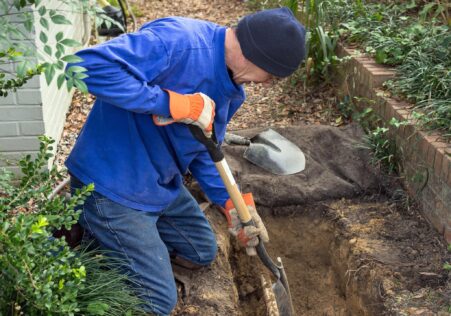
How to Choose the Right Pipe Relining Material for Your Home
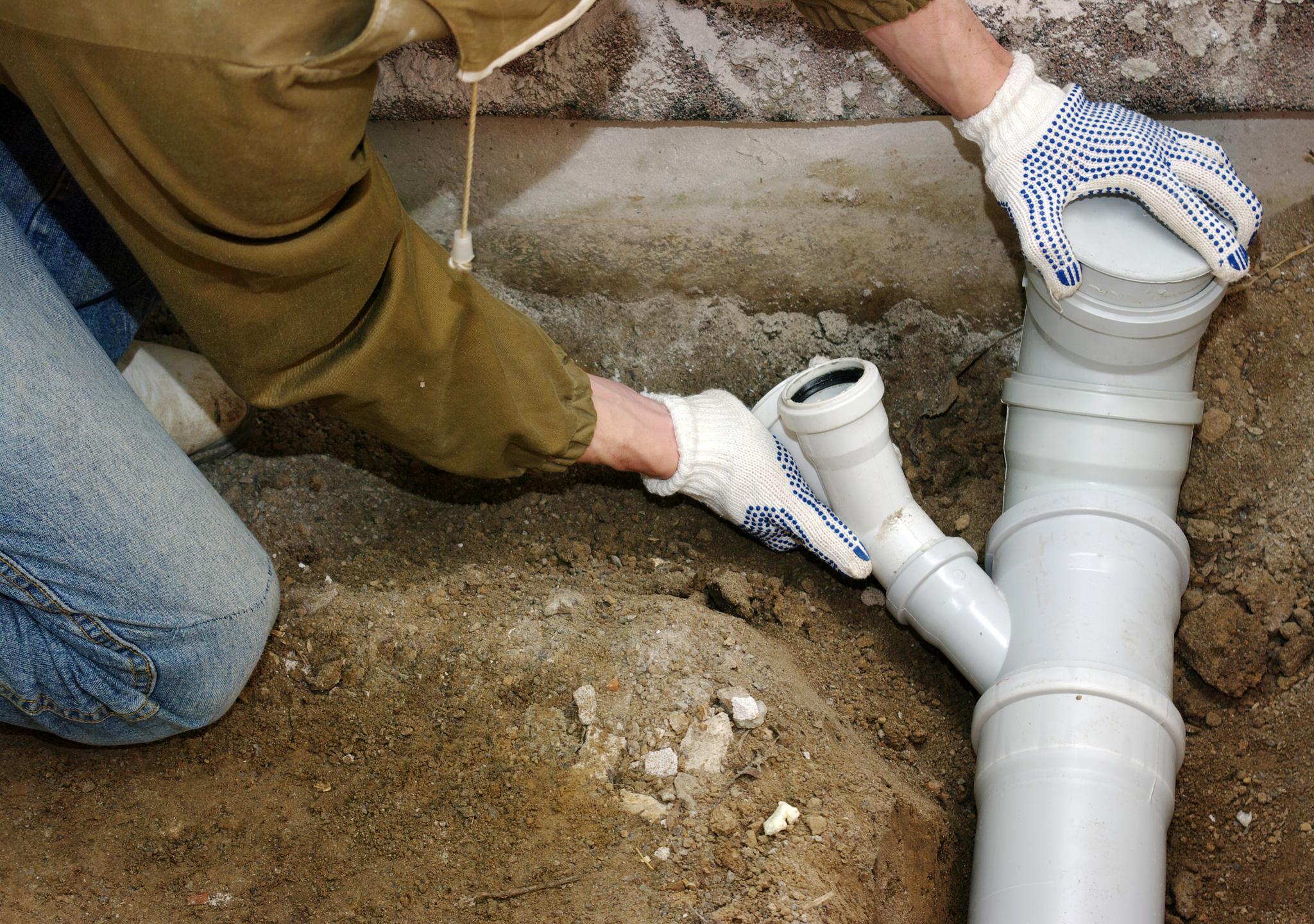
Making sure your plumbing is in good order is essential but pipes will wear out over time. The most common method for replacing them is digging through and taking out the old pipes, which can be a hassle and costly. Luckily, pipe relining offers a alternative that is more cost-effective and convenient alternative.
Key Takeaways
- Pipe relining can be a cost-effective alternative to traditional replacement of pipes methods
- The selection of the best pipe relining material is essential to ensure longevity and effectiveness
- Considerations when choosing materials for pipe relining include the environments, flow capacities along with durability, cost, and maintenance
- The types of materials used for pipe relining include Cured-in Place-Pipe (CIPP), Fiberglass Pipe Lining as well as Cast Iron Pipe Lining.
- Relining pipes makes a "pipe within the pipe" that allows for full functionality, without elimination of pipes.
With so many types of pipe relining materials available it is crucial to select the most appropriate one. This guide will help you comprehend the factors to take into consideration when selecting the right pipe relining material which is suited to your needs and budget.
What exactly is Pipe Relining?
Before we begin to discuss how to choose the right pipe for relining, let’s review what it is.
Pipe relining is a process which involves the installation of an epoxy liner into damaged or damaged sewer lines, water mains or any other underground pipe system, thereby preventing the root from infiltrating and leaking. It creates a "pipe within a pipe" that assists in restoring full functionality without requiring the removal of the existing pipes.
The benefits of relining pipe include:
- Minimizes excavation works
- Reduces the cost that are associated with traditional methods
- Less messy compared to excavation
While there are many benefits when it comes to lining, selecting the proper material for your lining is essential when it comes to efficiency and long-term durability.
The Factors to Consider When Selecting Pipe Relining Materials
- Environment: Another of the crucial things you need to take into consideration when choosing an appropriate pipe lining material must be the surroundings. The external environment determines the longevity of the liner and will not be impacted by impact, such as chemical substances and humid conditions, among others.
- The capacity of a flow: Flow capacity would be the amount of liquid that flows smoothly over the plumbing after the installation of new liners.
- Durability: Durability determines how long it will last when exposed to tough environments like excess water levels, chemical substances and other harsh conditions.
Costs
Additional Information
- Why You Should Choose CCTV Drain Inspection to Identify Root Infiltration in Your Plumbing System
- Natural Methods for Keeping Your Shower Drain Free of Blockages
- How CCTV Drain Inspection Saves You Time and Money in the Long Run
- Catching Drain Issues Early: The Benefits of Scheduling Regular Inspections for Your Business
- Why CCTV Drain Inspection is a Cost-Effective Solution for Your Plumbing Needs
- The Importance of Professional Drain Cleaning for Your Family's Health and Safety
- Pipe Relining: A Intelligent Investment for Your Property
- The Importance of CCTV Drain Inspection in Property Maintenance
- Benefits of Pipe Relining for Your Blocked Drains Problem
- The Ultimate Guide to Drain Clearing Services